Trending Front and Back Hand Mehndi Designs
Mehndi has long been a symbol of joy, tradition, and celebration in many cultures, especially across South Asia and the Middle East. It isn't just a decorative art—it’s an expression of emotion, culture, and spirituality. Whether it’s a wedding, a festival like Karva Chauth or Eid, or simply a joyful celebration, mehndi has a significant place. Among the most admired styles in the world of henna art are Front and Back Hand Mehndi Designs. These full-hand creations offer a complete look and turn the hands into a stunning canvas of art.
Let’s dive into why this style is so revered, what types of designs are trending, and how this tradition continues to evolve with modern flair.
The Cultural Significance of Mehndi
In many cultures, especially in India and the Middle East, mehndi is believed to bring blessings, protection, and prosperity. During weddings, the mehndi ceremony is not just about beautifying the bride—it’s a soulful celebration with music, dance, and rituals. It is believed that the deeper the color of the bride’s mehndi, the stronger the love between her and her future husband. The process itself is therapeutic—sitting still, relaxing, and allowing nature's elements to work their charm.
Mehndi is more than a temporary tattoo—it's a form of communication. It tells stories, displays emotions, and captures memories through intricate lines and symbols.
Why Front and Back Hand Mehndi Designs Are So Popular
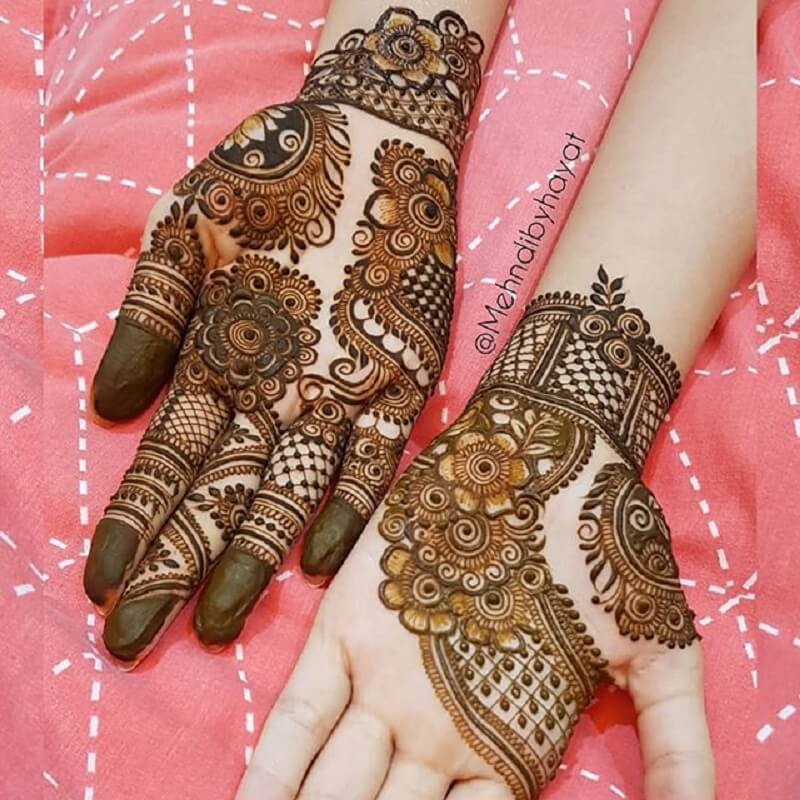
When it comes to creating a stunning mehndi look, applying henna on both the front and back of the hand creates symmetry and completeness. It ensures that no matter how the hands are positioned—resting on the lap, holding a bouquet, or joining in a prayer—they look equally elegant from every angle.
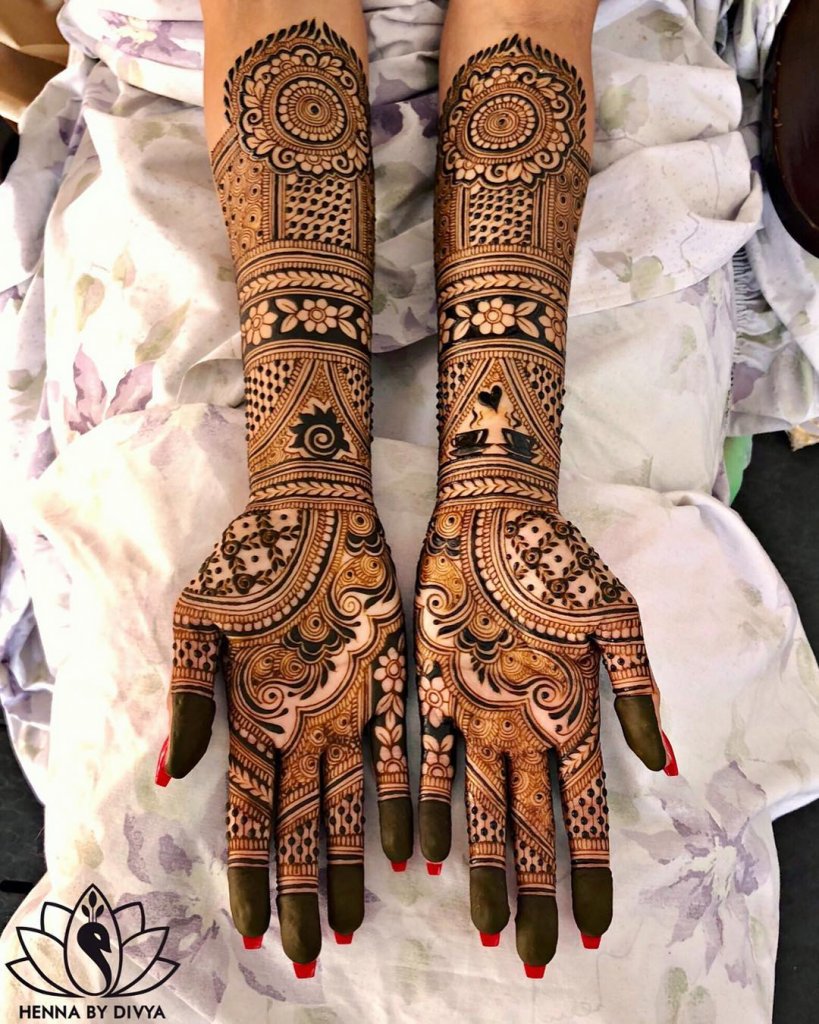
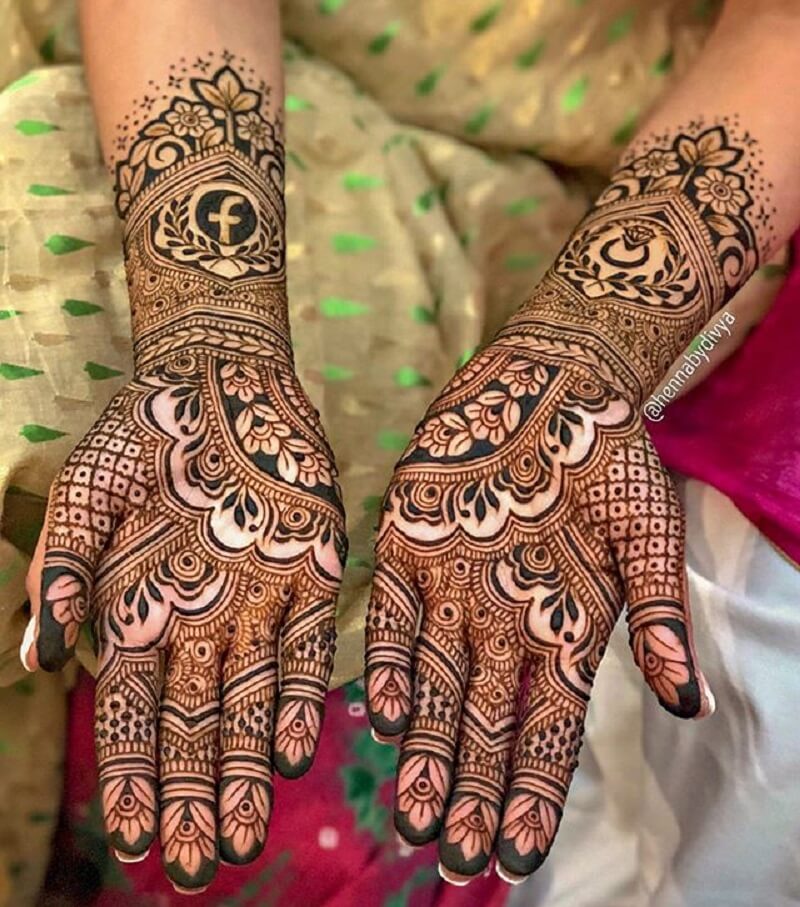
Front and Back Hand Mehndi Designs are especially popular for brides, but they’re also a favorite during festivals and traditional functions. The front hand usually features the most detailed motifs like peacocks, doli scenes, or intricate floral work. Meanwhile, the back of the hand balances the design with more open, breathable patterns like leafy vines, wristbands, and jaali-style grids. Together, they form a cohesive and aesthetically rich look.
Traditional Patterns That Never Go Out of Style
One of the beauties of mehndi art is that while trends come and go, some classic elements never lose their charm. Here are a few timeless patterns that continue to inspire mehndi artists and enthusiasts around the world:
1. Paisleys
One of the oldest motifs in Indian design, paisleys represent fertility and the life cycle. Their curved, mango-like shape can be used on both sides of the hand and is often paired with vines and flowers.
2. Mandala Circles
Mandalas symbolize balance, harmony, and eternity. Often placed at the center of the palm and matched on the back, they form the perfect focal point in a design.
3. Peacocks
Regal and graceful, peacock motifs stand for beauty and self-expression. Their curving necks and detailed feathers look beautiful on the palm and extend into the wrist.
4. Jaali Patterns
These net-style designs, inspired by Mughal architecture, add a royal elegance to mehndi. They also serve as a perfect background filler for more elaborate elements.
5. Floral Vines and Leaves
These soft, flowing elements add a touch of natural beauty and are ideal for both dense and minimalist designs.
Modern Mehndi Trends
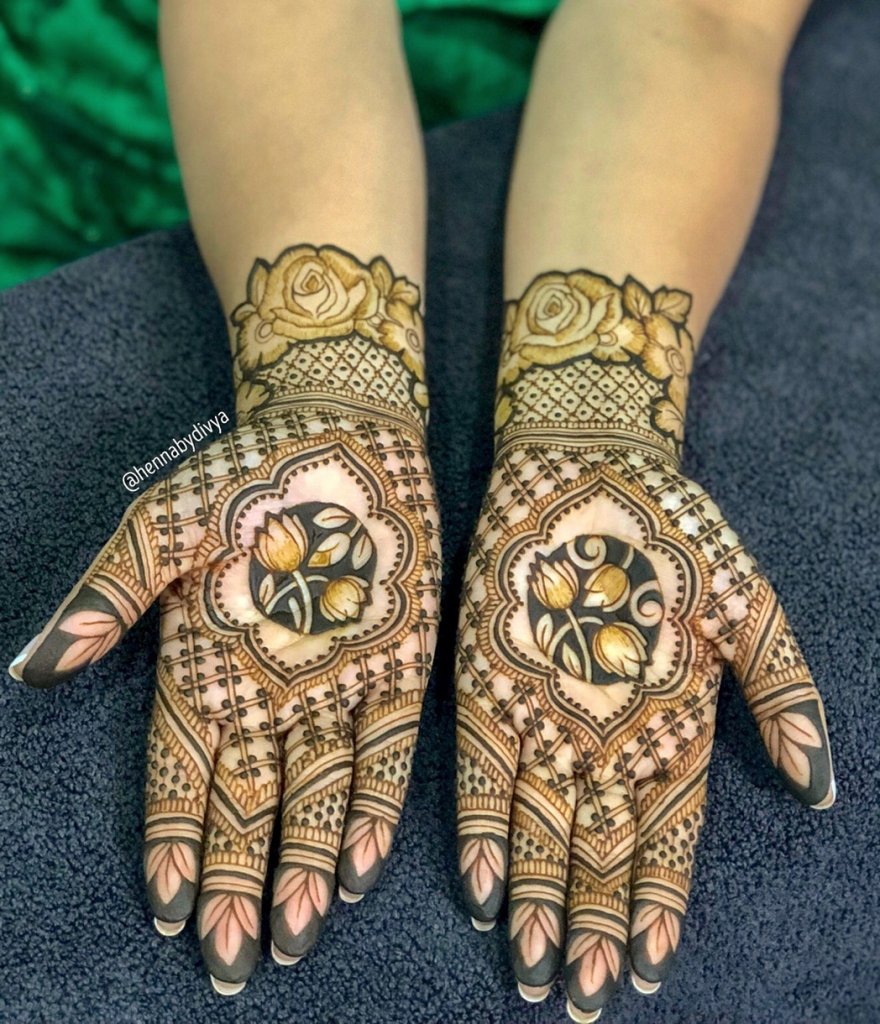
While tradition remains at the heart of mehndi design, today’s artists are taking inspiration from global styles, creating exciting fusions that cater to modern preferences. Here are a few trends taking over:
1. Minimalistic Mehndi
Less is more. Minimalist patterns with negative space, clean lines, and simple motifs are gaining popularity among younger generations, especially for pre-wedding events or casual festivities.
2. Geometric Designs
Using symmetry and clean edges, geometric patterns are perfect for those who love precision and structure in their mehndi.
3. Fusion Styles
Blending Arabic trails with Indian detailing or combining Moroccan shapes with traditional motifs has led to a creative explosion in design variety.
4. Personalized Elements
Brides now request portraits, meaningful dates, or initials within their mehndi design. This personal touch makes the art even more special and memorable.
5. White and Colored Mehndi
A trend especially seen in modern parties and fashion shoots—white, glitter, and colored mehndi offer a bold twist on the traditional look. However, they don’t carry the same cultural or symbolic depth.
Choosing the Right Design for the Occasion
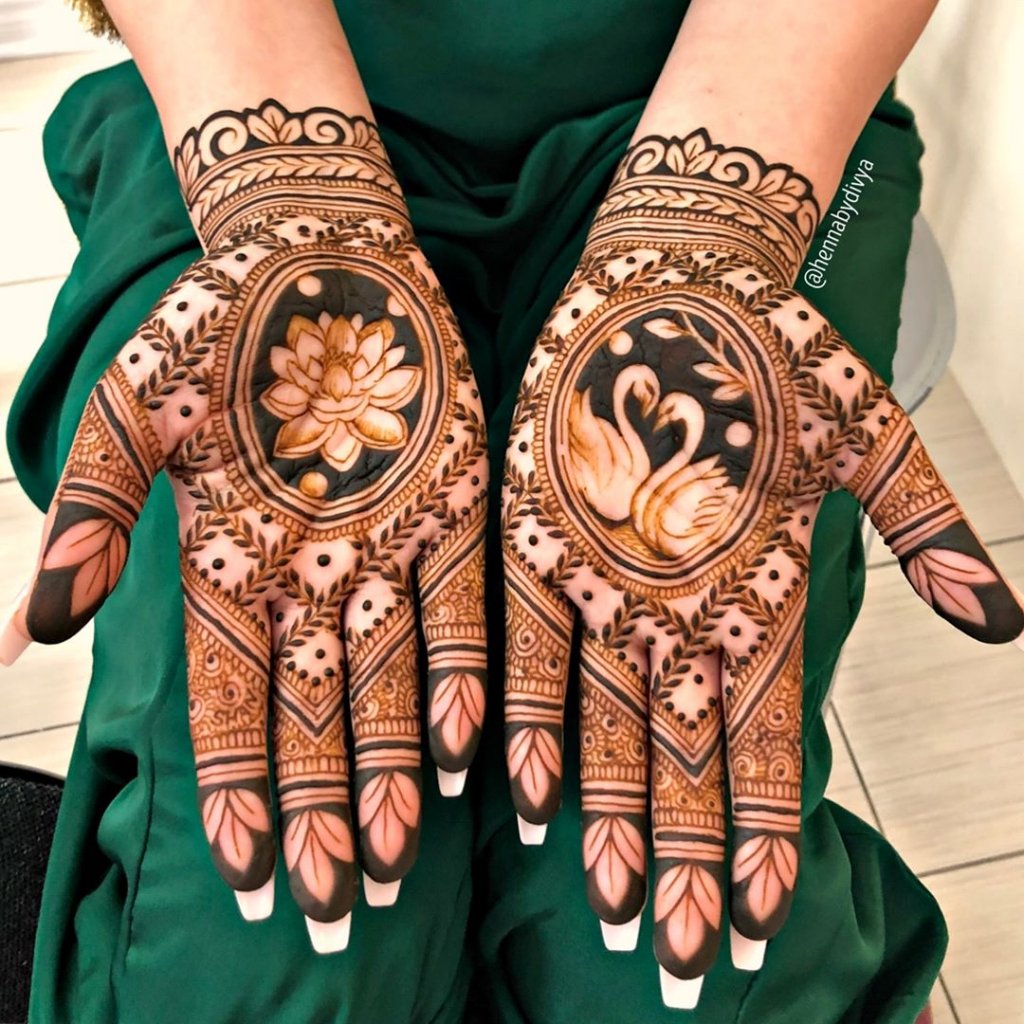
Selecting the perfect mehndi design depends on several factors—your outfit, the occasion, the duration of the event, and your personal style. Here’s a quick guide:
Weddings: Go for elaborate and detailed Front and Back Hand Mehndi Designs that extend to the forearms. These can include portraits, religious symbols, or doli and baraat scenes.
Festivals: Medium to heavy designs with floral and paisley elements work great. Try something that matches your ethnic wear or jewelry.
Engagements or Baby Showers: Opt for semi-full designs with elegance and charm—think mandalas, vines, or bracelets.
Casual Events: Simple finger designs or Arabic trails with negative space are easy to apply and remove.
Tips for the Best Mehndi Application and Color
Achieving a dark and long-lasting mehndi stain takes a little effort and care. Here’s how to make your design stand out:
Prep Your Skin: Clean your hands well. Avoid lotion or oils before applying mehndi.
Let It Dry Naturally: Allow the paste to dry for at least 6–8 hours. Don’t rub it off prematurely.
Lemon-Sugar Seal: Dabbing the dried mehndi with a lemon-sugar solution helps lock the henna in place and deepen the color.
Avoid Water: Keep your hands dry for as long as possible after scraping off the paste.
Heat Application: Warm your hands over steam or apply clove smoke to boost the stain.
Conclusion :
Mehndi is an ancient art form that continues to evolve with time. Whether you love it for its cultural richness, visual elegance, or spiritual symbolism, there’s no denying that it holds a special place in every celebration. Among all styles, Front and Back Hand Mehndi Designs stand out as the most complete and visually satisfying forms. They allow for artistic storytelling, emotional connection, and pure aesthetic beauty.
So whether you're a bride preparing for the biggest day of your life, or simply someone who loves adorning your hands with intricate patterns, embrace this beautiful tradition. Let your hands become a living canvas that celebrates heritage, beauty, and joy—one design at a time.