Unique Front and Back Hand Mehndi Designs You’ll Love
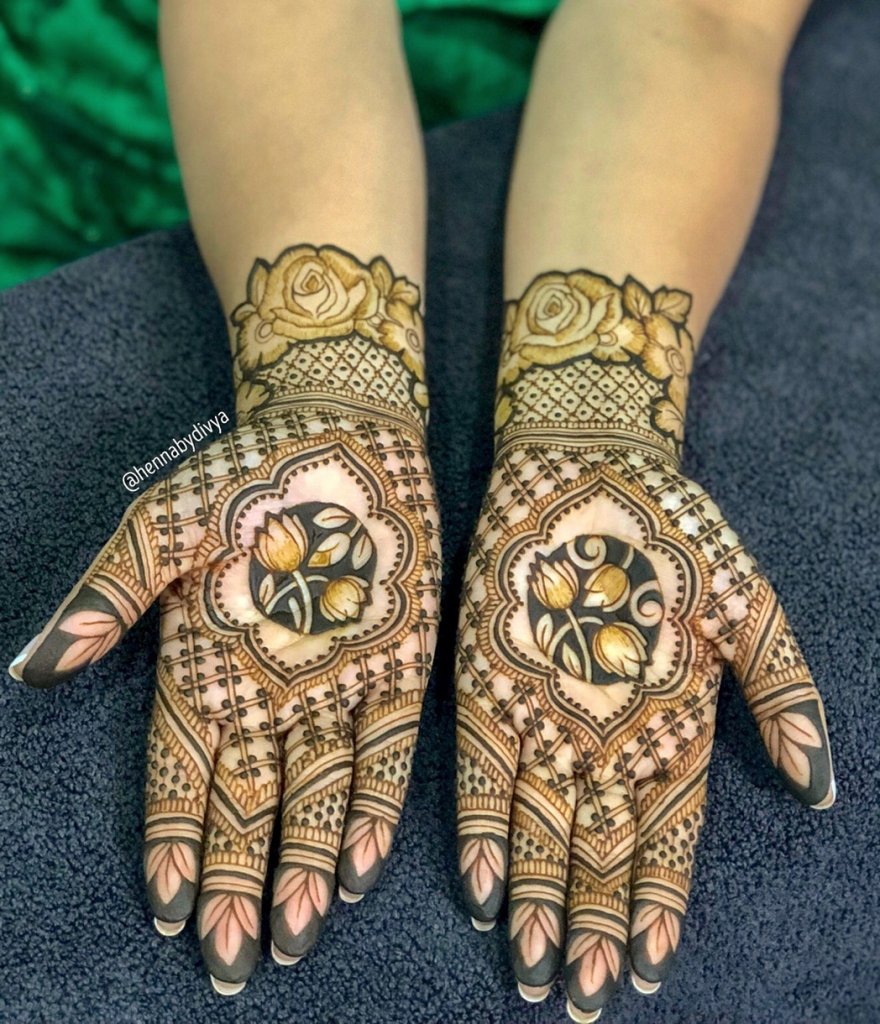
Mehndi, also known as henna, has been a cherished tradition for centuries across various cultures, especially in India, Pakistan, and the Middle East. It is not just a form of body art but an essential part of celebrations like weddings, festivals, engagements, and baby showers. One of the most admired and visually appealing styles of mehndi is the Front and Back Hand Mehndi Designs. These designs provide a complete and balanced look, adding beauty and cultural depth to any traditional attire.
The Importance of Mehndi in Indian Culture
Mehndi holds deep symbolic meaning in Indian traditions. It represents love, prosperity, and joy. During weddings, applying mehndi is not just a beauty ritual but also a sacred ceremony that blesses the bride with happiness and good fortune. In festivals like Karva Chauth, Teej, Eid, and Diwali, women adorn their hands with mehndi to enhance their look and celebrate the occasion with grace. The intricate designs are more than decoration—they are a reflection of emotion, style, and cultural pride.
Why Choose Front and Back Hand Mehndi Designs?
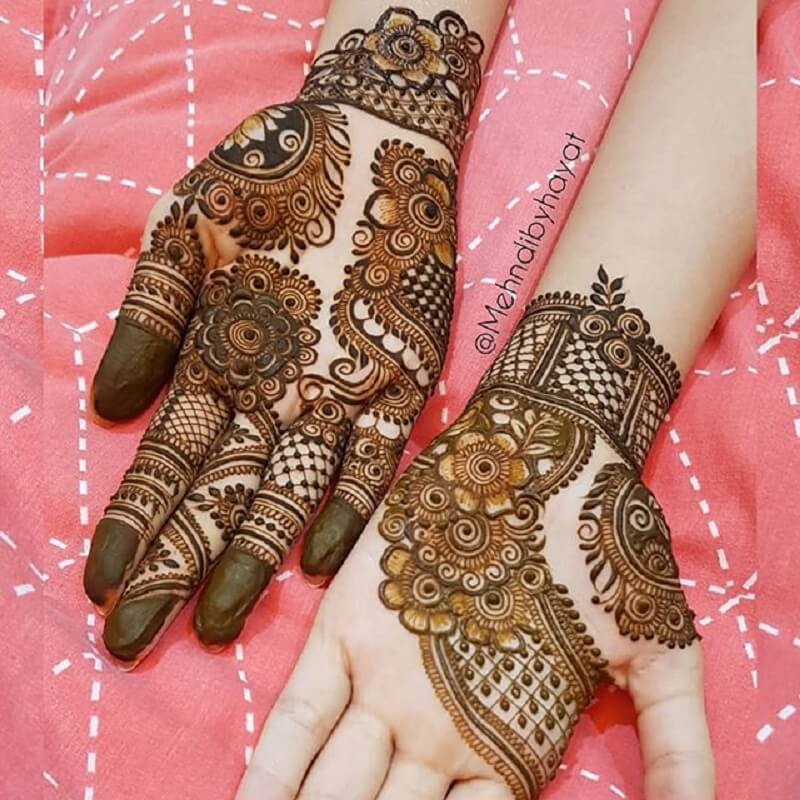
While some may choose to decorate only one side of their hands, Front and Back Hand Mehndi Designs offer a complete and harmonious aesthetic. When both sides of the hand are adorned, the beauty is amplified, making the designs appear more intricate and elegant. This style is especially popular among brides who want their hands to look graceful from every angle. The front of the hand usually features more elaborate detailing, while the back complements it with finer, more delicate patterns.
The main advantage of this style is that no matter how the hand is held—whether greeting guests, posing for photos, or during religious rituals—it showcases the artistry in its full glory. It also allows the artist to create flowing, connected patterns that wrap around the hands, enhancing visual appeal and symmetry.
Popular Patterns in Front and Back Hand Mehndi Designs
There is no limit to the creativity that can go into mehndi design. Artists often mix and match elements to suit personal tastes and trends. Here are some of the most popular motifs used in front and back hand mehndi styles:
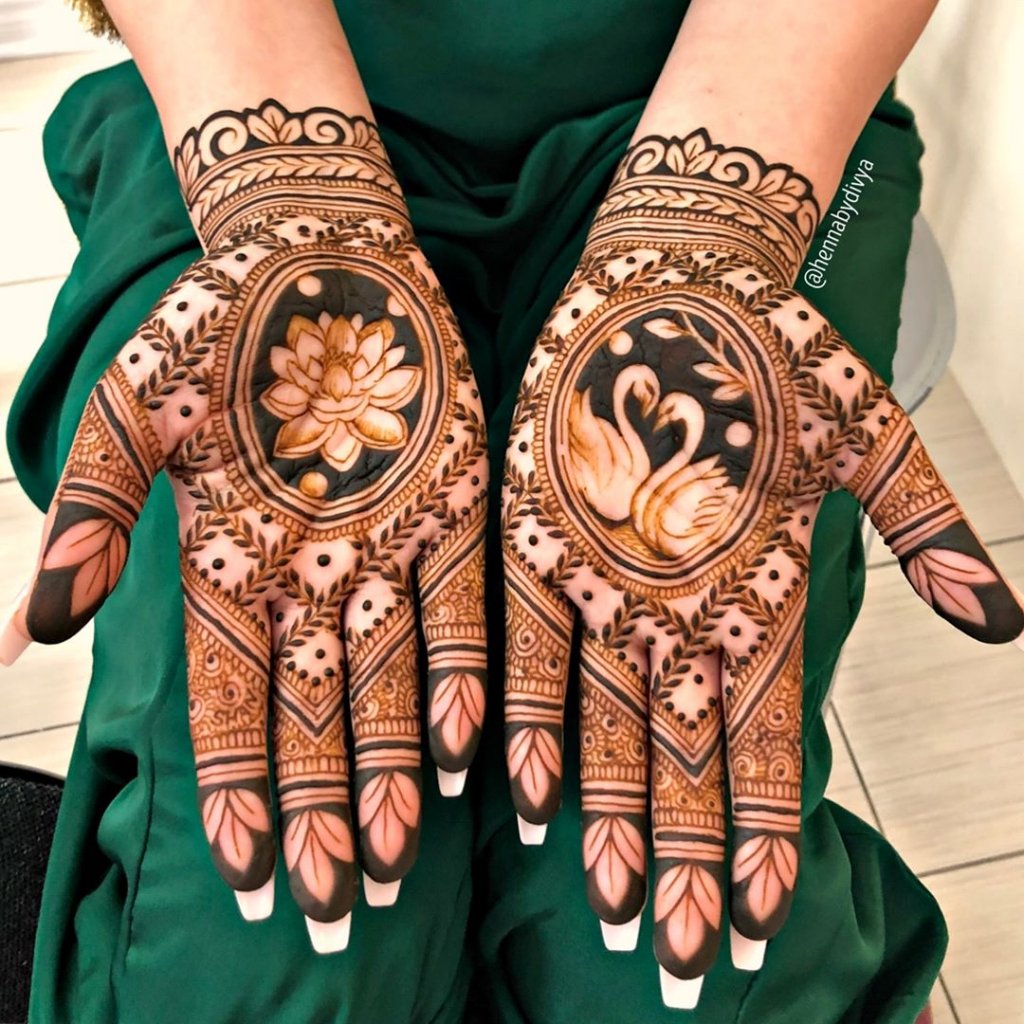
Floral Motifs – Flowers are timeless and versatile. They can be used to fill spaces, form borders, or become the main focus of a design.
Paisleys – One of the oldest elements in Indian mehndi, paisleys represent fertility and luck.
Mandala Circles – These are often used in the center of the palm and mirrored on the backhand to create balance.
Arabic Trails – This style includes bold, flowing patterns that often stretch from the finger to the wrist.
Jaali Work – A net-like pattern that adds elegance and intricacy, often used to fill larger areas.
Peacock Designs – Symbolizing grace and beauty, peacocks are a popular choice in bridal mehndi.
Name Insertion – Brides often hide the groom's name within the design, making it a fun and romantic gesture.
Bridal Love for Full Hand Designs
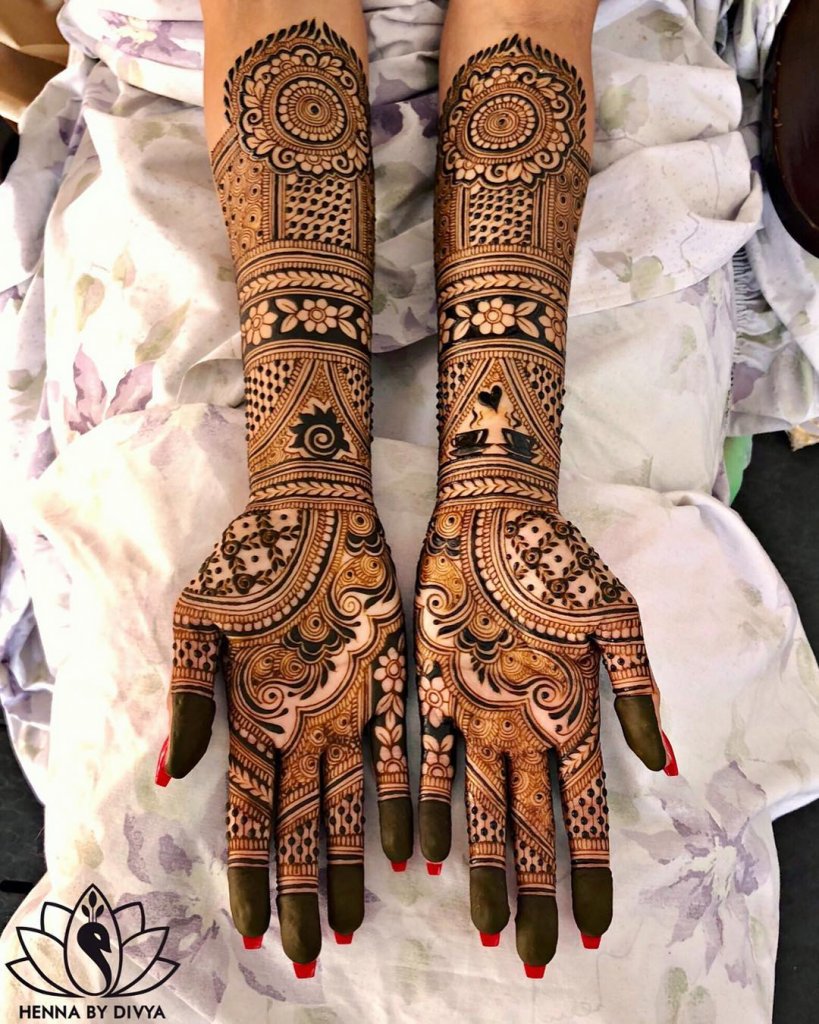
Brides are the most common admirers of front and back hand mehndi. For them, it’s not just about beauty but also about making a statement. The bridal designs are generally more complex, often extending up to the elbows or even the arms. These designs may include images of dulha-dulhan (bride and groom), wedding rituals, or even personalized symbols that represent the couple’s journey.
The front hand might feature detailed portraits, symmetrical mandalas, and traditional motifs, while the back hand often includes complementing designs like bangles, kalash (pots), and jaali patterns. Together, these designs create a story on the hands that is both meaningful and mesmerizing.
Festive Trends in Mehndi
While brides go for heavy, elaborate designs, many women prefer lighter patterns for festivals. These can include simple floral trails on the front hand and delicate finger art on the back. Minimalist designs with open spaces, geometric shapes, and leafy vines are growing in popularity, especially among the younger generation who like blending tradition with modernity.
Another growing trend is the use of white mehndi, glitter mehndi, and even colored mehndi to add a contemporary twist. However, the traditional dark brown or reddish stain remains the most loved and widely used.
Tips for the Perfect Mehndi Stain
To get the best results from your Front and Back Hand Mehndi Designs, here are a few useful tips:
Apply Mehndi at Night: This allows it to stay on the skin longer without interference.
Avoid Water for 8–10 Hours: Keep the area dry to let the stain develop fully.
Use Natural Ingredients: A mix of lemon juice and sugar can be applied on the dried mehndi to darken the color.
Cover the Hands: After drying, wrap the hands in tissue or cloth to prevent smudging while you sleep.
Conclusion :
Front and Back Hand Mehndi Designs are more than just a form of body art—they are a celebration of tradition, creativity, and beauty. From weddings to festivals, these designs play an essential role in expressing cultural heritage and personal style. Whether you choose a minimalistic approach or go all out with a full bridal pattern, adorning both sides of your hands ensures that your mehndi stands out from every angle.
If you're looking to make a lasting impression at your next big celebration, don’t settle for just one side. Embrace the full beauty and artistry of Front and Back Hand Mehndi Designs, and let your hands do the talking!